
Hear from Our Customers
You shouldn’t have to wonder if that musty smell in your basement is dangerous. Or if the dark spot behind your water heater is black mold. Or whether your kids’ cough is from something growing in the walls.
Professional mold testing gives you actual answers. We use thermal imaging to detect moisture you can’t see, air quality testing to measure spore levels, and surface sampling to identify exactly what type of mold you’re dealing with. You get a detailed report that tells you what’s there, where it’s coming from, and what needs to happen next.
Most importantly, you get clarity. No more lying awake wondering if your home is making your family sick. No more avoiding certain rooms because they smell off. You’ll know exactly what you’re dealing with, and you’ll have documentation if you need to file an insurance claim or negotiate with a seller.
We’ve been serving Bucks County families for years. We know what happens to homes near Neshaminy Creek when humidity spikes. We know which Croydon neighborhoods see basement moisture after heavy rain. We know that most homes here were built before modern moisture barriers became standard.
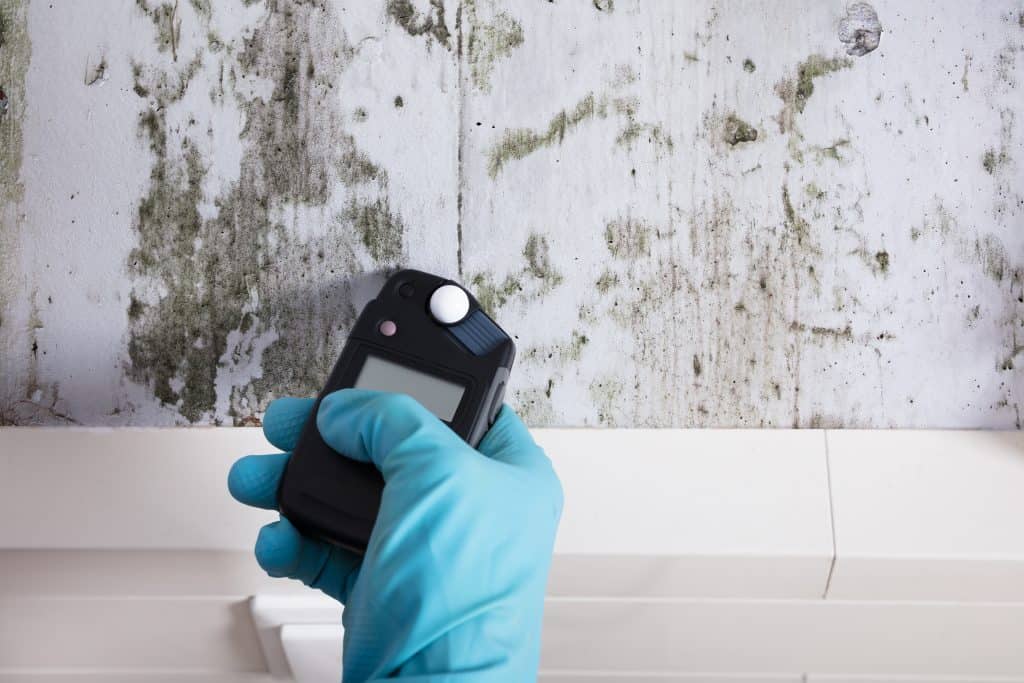
Our certified inspectors use the same equipment commercial property managers rely on. Moisture meters that read through drywall. Thermal cameras that show temperature differences indicating water intrusion. Lab-grade air sampling that measures spore concentrations down to the particle.
We’re not a remediation company trying to sell you a cleanup job. We’re mold check professionals who give you unbiased results so you can make informed decisions about your property.
First, we inspect everything. Not just the obvious spots, but the places most companies miss. Behind water heaters. Inside wall cavities. Throughout your ductwork. We use thermal imaging to find temperature differences that indicate hidden moisture, because mold grows where water goes.
Next, we take samples. Air samples measure spore concentrations in different rooms so we can compare levels and identify problem areas. Surface samples identify the specific type of mold growing on walls, ceilings, or other materials. We send everything to an independent lab for analysis.
You get a detailed report within a few days. It shows exactly what we found, where we found it, and what the lab results indicate. We walk you through every finding and explain what it means for your home and your health. If remediation is needed, we’ll tell you what to expect. If the issue is minor, we’ll show you how to handle it yourself.
Ready to get started?
Every residential mold testing appointment includes a complete visual inspection of your property. We check basements, crawl spaces, attics, bathrooms, kitchens, and any other areas where moisture accumulates. In Croydon, that often means paying extra attention to stone foundation basements and homes near the creek where groundwater pressure is higher.
We use moisture meters to measure humidity levels in building materials. Readings above 16% in wood or drywall create conditions where mold can grow. Thermal imaging shows us cold spots that indicate poor insulation or air leaks where condensation forms. These tools find problems you’d never see with your eyes alone.
Air quality testing measures mold spore concentrations in your indoor air and compares them to outdoor baseline levels. High indoor counts indicate active mold growth somewhere in the home. Surface sampling identifies the specific mold species present, which matters because some types pose greater health risks than others. You also get documentation suitable for insurance claims, real estate transactions, or remediation contractors. We work directly with most major insurance companies and understand what they need to process claims efficiently.
Most residential mold inspections in Croydon run between $300 and $600 depending on your home’s size and how many samples we need to collect. A typical 1,500 square foot home with a basement usually falls around $400. That includes the visual inspection, moisture readings, thermal imaging, air samples from 2-3 locations, and lab analysis.
Additional surface samples cost extra if we need to identify specific mold types growing on walls or other materials. But we’ll never collect samples you don’t need just to run up the bill.
Compare that cost to mold remediation, which often runs $2,000 to $10,000 or more. Testing catches problems early when they’re cheaper to fix. It also prevents you from paying for unnecessary remediation if a contractor is overselling the problem. We’ve seen homeowners spend thousands removing mold that wasn’t actually there because they skipped independent testing.
Plan on 1 to 2 hours for a thorough inspection of an average-sized home. Larger properties or homes with multiple problem areas take longer. We’re not rushing through your house with a flashlight. We’re checking every area where mold typically grows and using equipment that requires time to get accurate readings.
The visual inspection and moisture mapping usually take 45 minutes to an hour. Collecting air samples takes another 15 to 30 minutes depending on how many locations we’re testing. Surface sampling adds time if we need to swab or tape-lift samples from specific areas.
Lab results come back in 3 to 5 business days. We’ll call you as soon as we have the report and schedule time to walk through the findings. Most people prefer to review results over the phone first, then we email the full documentation for your records.
Yes, especially if you’re looking at older homes or properties near Neshaminy Creek. Most Croydon homes were built before 1980 when construction standards for moisture control were different. Stone foundation basements are common here, and they’re more vulnerable to groundwater seepage than poured concrete.
A mold inspection during your due diligence period protects you from buying someone else’s expensive problem. Sellers aren’t required to disclose mold unless they know about it, and many don’t look closely enough to find it. That musty basement smell they’ve gotten used to could indicate thousands of dollars in hidden damage.
The inspection gives you negotiating power too. If we find active mold growth, you can ask the seller to remediate before closing, reduce the purchase price, or walk away if the problem is severe. It’s a lot easier to deal with mold before you own the property than after you’ve signed the papers. Your real estate agent can help coordinate the inspection during your option period.
A mold inspection is the visual assessment where we examine your property for signs of mold growth and moisture problems. We look for visible mold, water stains, condensation, musty odors, and other indicators. We use thermal imaging and moisture meters to find hidden issues. This tells us if you likely have a mold problem and where it’s located.
Mold testing involves collecting actual samples and sending them to a lab for analysis. Air samples measure spore concentrations. Surface samples identify specific mold species. Testing confirms what type of mold is present and how severe the contamination is. It gives you hard data instead of just visual observations.
Most people need both. The inspection finds the problem areas. The testing confirms what’s growing and how bad it is. Together, they give you a complete picture of your mold situation. Some situations only require inspection—if we find obvious mold growth from a known water leak, testing won’t change the fact that you need remediation. But if you’re experiencing health symptoms with no visible mold, or if you need documentation for insurance or legal purposes, testing is essential.
It depends on what caused the mold. If mold resulted from a covered event like a burst pipe, roof leak during a storm, or appliance malfunction, most policies will cover testing and remediation. If mold developed from long-term neglect, poor maintenance, or chronic humidity issues, probably not.
The key is proving the mold came from sudden, accidental water damage rather than ongoing moisture problems. That’s why documentation matters. If you had a pipe burst last month and now you’re finding mold, your insurer will likely cover it. If your basement has been damp for years and you finally decided to address it, they’ll probably deny the claim.
We work directly with insurance companies and know what documentation they require. We’ll provide detailed reports, photos, and findings that support your claim. Many homeowners don’t realize their policy includes mold coverage up to a certain limit, often $10,000 or more. Call your insurance agent before scheduling testing to understand your coverage. We can also bill your insurance directly in many cases, so you’re not paying out of pocket and waiting for reimbursement.
If you can see mold growing on surfaces larger than 10 square feet, you probably don’t need testing. You already know you have mold. You need remediation. Testing would just confirm what’s obvious and delay fixing the problem.
But if you smell mold without seeing it, if you’re experiencing unexplained health symptoms, if you’ve had water damage and want to confirm it didn’t cause mold growth, or if you need documentation for insurance or real estate purposes, testing makes sense. It finds hidden mold and gives you proof of what’s there.
Testing is also smart if a remediation company gave you a quote and you want a second opinion. Some contractors exaggerate mold problems to justify higher prices. An independent mold testing company has no financial incentive to oversell the issue. We tell you what’s actually there, not what would make us the most money to remove. That objectivity protects you from paying for work you don’t need.
Other Services we provide in Croydon